
Дэлхий даяар: Хамуутай тэмцэх нийтлэг арга хэмжээ нь булцууг тарьснаас хойшхи эхний долоо хоногуудад хөрсний чийгийн 80-85%-иас хамаарна
Түлхүүрийг авах
- 3–4 weeks after tuber initiation is peak scab exposure
- 80–85% soil moisture is the NDSU target in that window
- 58% less scab was seen with a fludioxonil seed treatment
- 1–3 weeks after initiation is critical in the UK trial
Яагаад чухал вэ
- Фермерүүдэд зориулсан
- Plan irrigation so soil holds 80–85% moisture from tuber initiation until tubers reach 2.5–3.8 cm, and avoid waterlogging
- Нийлүүлэгчдийн хувьд
- Offer soil moisture sensors and irrigation scheduling timed to tuber initiation, together with seed treatment advice
60 секундын хураангуй
Soil moisture during a few early weeks is the strongest lever growers have against common scab. North Dakota specialists say new tubers are most exposed during roughly the first month after initiation and advise holding soil at 80 to 85% until tubers reach about 2.5 to 3.8 cm. A British trial funded by AHDB narrowed the key irrigation period to one to three weeks after initiation and saw scab-causing bacteria multiply in dry plots. Excess water, however, shortened canopy life and cut yield, so the target is moist, not waterlogged. Seed treatment with fludioxonil lowered scab by 58% in NDSU work, and a Bacillus subtilis product by 56%. For growers in Argentina, Chile, South Africa and Australia, who are planting now, this means marking the likely initiation date in irrigation plans. The UK work is from 2009 to 2010, and local soils and varieties may shift the exact numbers.
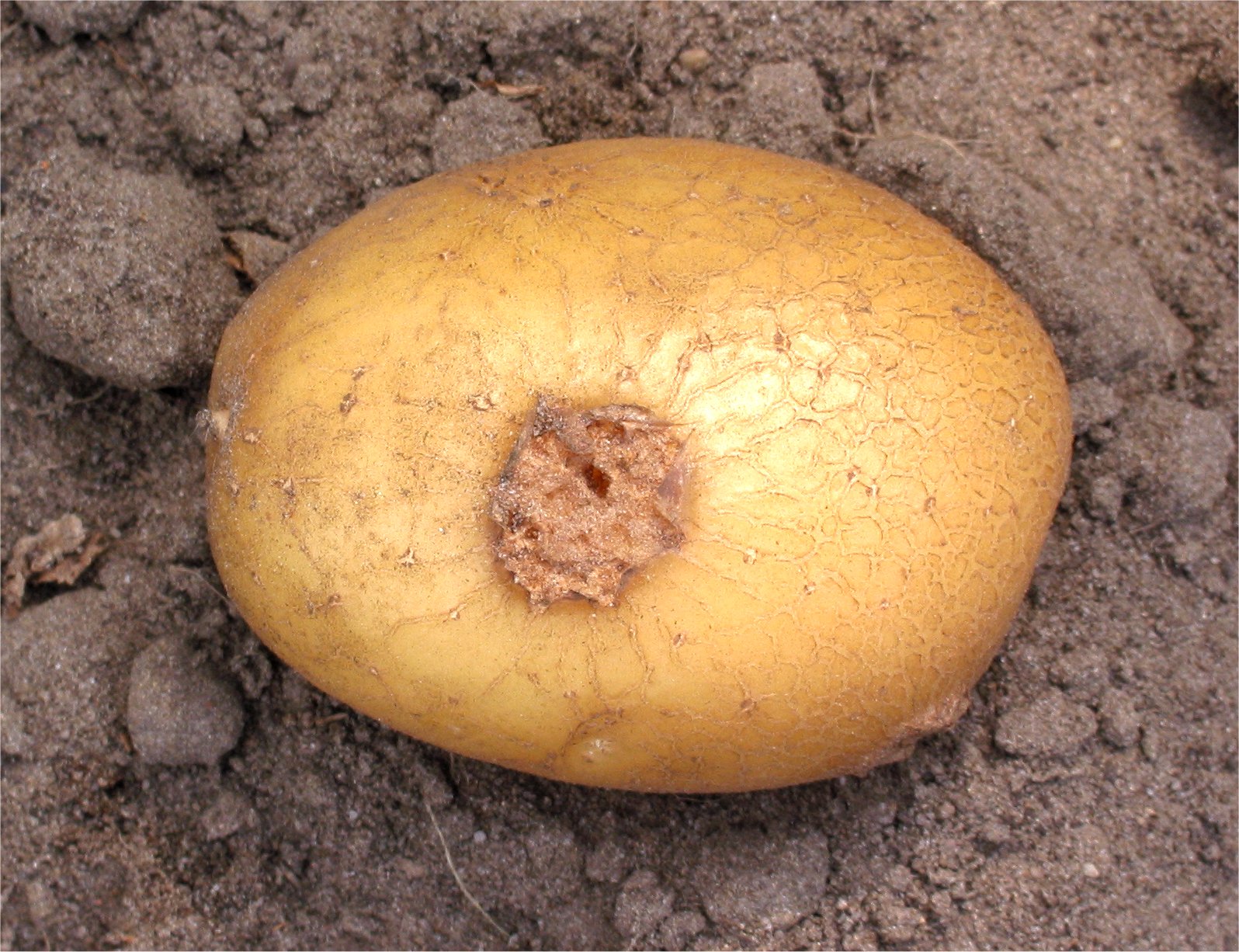
Common scab is a skin disease of potato caused by Streptomyces bacteria in the soil. It leaves corky, rough lesions on the tuber surface. The damage lowers the value of ware and seed potatoes, especially for washed markets.
Young tubers are most vulnerable in the first three to four weeks after tuber initiation, according to North Dakota State University (NDSU) Extension. By six to eight weeks after initiation, they are much less susceptible. This short window is when irrigation can make the biggest difference.
How much moisture
NDSU advises keeping soil moisture at 80–85% during tuber initiation. This level should hold until tubers are 1 to 1.5 inches, or about 2.5–3.8 cm, in size. Infection is favoured by low soil moisture of less than 65–70%. Soil pH between 5.2 and 8.0 and temperatures above 70°F, or 21°C, also favour the disease.
Ажлын өдрүүд. Нэг товшилтоор захиалгаа цуцлаарай.
A trial funded by the levy board AHDB in the United Kingdom gives similar timing. The project ran from 2009 to 2010 and tested five irrigation regimes. The critical period for scab control by irrigation was between one and three weeks after tuber initiation. In dry soils, populations of pathogenic Streptomyces increased between three and four weeks after tuber initiation. Levels were lower in irrigated soils.
Control was most effective when plots stayed at field capacity after tuber initiation, the project found. However, over-irrigation was detrimental to canopy duration and yield.
Бусад хэрэгслүүд
No single method gives complete control, NDSU said. In its research, a seed treatment with fludioxonil reduced common scab by 58%. A biopesticide based on Bacillus subtilis reduced it by 56%. Resistant varieties and certain rotation crops can also help. These include buckwheat, canola, oat, rye and millet. NDSU also advises laboratory diagnosis to separate common scab from powdery scab, which needs different management.
Яагаад чухал вэ
In the Southern hemisphere, spring planting is under way in countries such as Argentina, Chile, South Africa and Australia. Tuber initiation in these crops will come in the next weeks. Irrigation plans should mark that date in advance.
The challenge is balance. Moist soil protects young tubers from scab, but waterlogged soil cuts yield and raises other disease risks. Growers need soil moisture sensors or regular checks during this short window.
Photo: Common scab (Streptomyces scabies) on potato tubers (illustrative). Rasbak / Wikimedia Commons, CC BY-SA 3.0
Дэлхийн төмсний товч мэдээлэл
Шилдэг таван түүх, үнэ, өвчний сэрэмжлүүлэг болон үйл явдлууд. Ажлын өдрийн өглөө, зар сурталчилгаагүй.
эх сурвалж
- NDSU Potato Extension — Common Scab (A. Robinson) — https://www.ag.ndsu.edu/potatoextension/common-scab
- AHDB — Effect of contrasting irrigation regimes on populations of Streptomyces and potential antagonists and the control of common scab (project R429, 2009–2010) — https://potatoes.ahdb.org.uk/common-scab-irrigation-and-suppressive-soils
Энэ материалд холбогдсон
- Улс
- Дэлхийн
- компаниуд
- North Dakota State University; AHDB
Үүнтэй холбоотой түүхүүд
Камерун: Төмсний ургац 1961 оноос хойш 18 дахин өсч 370,206 тоннд хүрсэн ч ургац 10.6 тонн/га орчим хэвээр байна

Энэтхэг: Химачалын Кангра мужид төмсний үнэ нэг га тутамд ₹308,051, үр болон хөдөлмөрийн зардал 56%-ийг эзэлж байна


